

Navigating Australia's New AI Governance Framework: Essential Compliance for Businesses in 2026
Navigating Australia's New AI Governance Framework: Essential Compliance for Businesses in 2026
Artificial Intelligence (AI) is no longer a futuristic concept; it's a fundamental driver of innovation, efficiency, and competitive advantage across industries. From automating customer service to optimising supply chains, AI's transformative power is undeniable. However, with great power comes great responsibility, and governments worldwide are grappling with how to regulate this rapidly evolving technology to ensure ethical deployment, protect consumer rights, and foster innovation.
Australia is at the forefront of this global conversation, preparing to launch a comprehensive AI governance framework by 2026. For Australian businesses, particularly CTOs and IT managers, understanding and preparing for these upcoming regulations is not just about compliance; it's about safeguarding your organisation's future, reputation, and ability to innovate responsibly.
Why a New Framework? The Imperative for Responsible AI
The rapid proliferation of AI has brought immense benefits, but also significant concerns. Issues such as algorithmic bias, data privacy breaches, lack of transparency, and accountability gaps have highlighted the need for clear guidelines. The Australian government's move towards a robust framework is driven by several key objectives:
- Building Public Trust: Ensuring AI systems are developed and deployed in a manner that inspires confidence among citizens and consumers.
- Mitigating Risks: Addressing potential harms, including discrimination, privacy violations, and security vulnerabilities.
- Fostering Innovation: Creating a predictable regulatory environment that encourages responsible AI development without stifling technological advancement.
- International Alignment: Harmonising with global best practices and standards to facilitate cross-border AI collaboration and trade.
While the exact details are still being finalised, the framework is expected to build upon existing discussions around responsible AI principles, ethical guidelines, and risk-based approaches.
Key Pillars of the Expected Framework
Based on global trends and Australian government consultations, we anticipate the framework will focus on several critical areas:
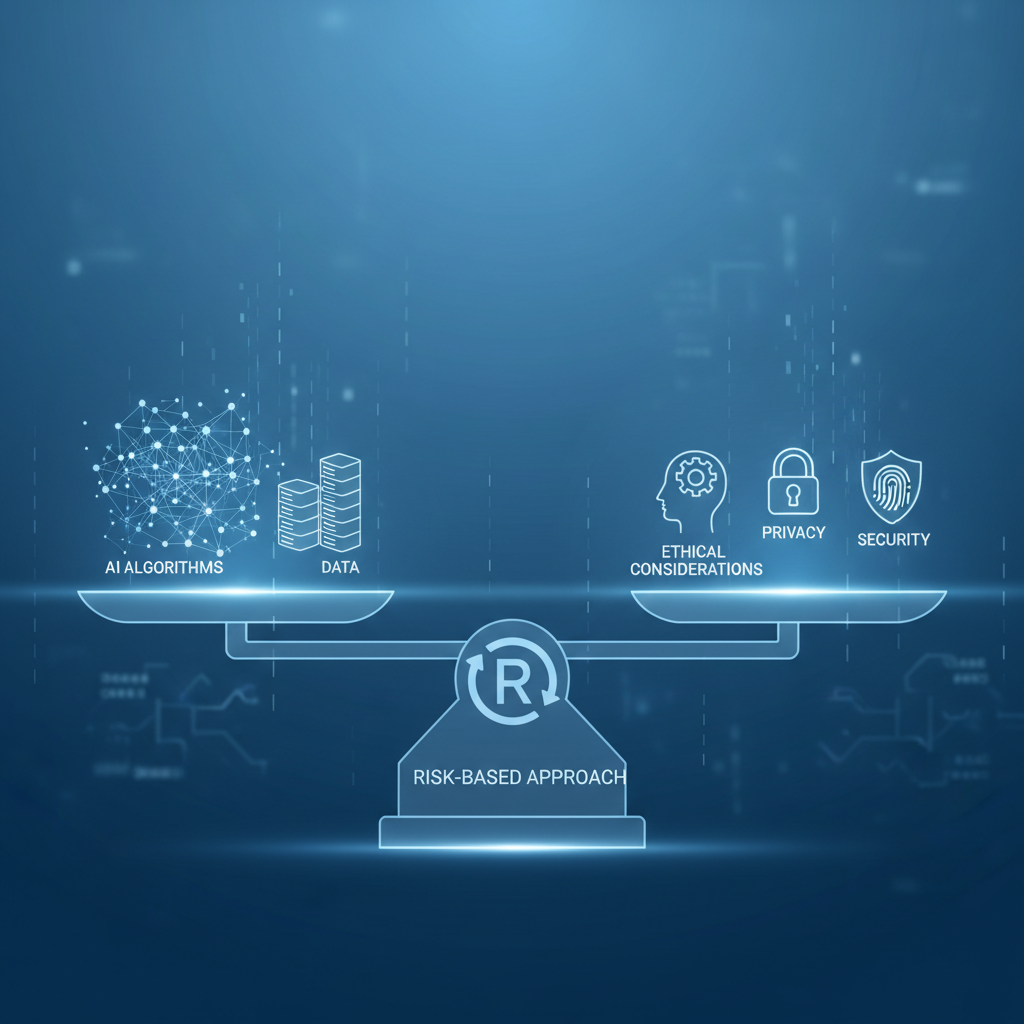
1. Risk-Based Approach
Not all AI systems pose the same level of risk. The framework is likely to categorise AI applications based on their potential impact on individuals and society. High-risk AI systems (e.g., in healthcare, critical infrastructure, or those affecting fundamental rights) will face stricter requirements, including:
- Mandatory impact assessments: Thorough evaluations of potential risks before deployment.
- Human oversight: Ensuring mechanisms for human intervention and ultimate control.
- Robust testing and validation: Demonstrating accuracy, reliability, and fairness.
2. Transparency and Explainability
Organisations will likely be required to provide greater transparency about how their AI systems operate, especially when decisions significantly impact individuals. This includes:
- Clear communication: Informing users when they are interacting with an AI system.
- Explainable AI (XAI): Developing systems that can articulate their reasoning and decision-making processes in an understandable way.
3. Data Governance and Privacy
Given the data-intensive nature of AI, robust data governance will be paramount. This will extend beyond existing privacy laws (like the Privacy Act 1988) to include:
- Ethical data sourcing: Ensuring data used for training AI is collected legally and ethically.
- Data quality and bias mitigation: Implementing strategies to identify and reduce biases in training data that could lead to discriminatory outcomes.
- Enhanced data security: Protecting AI models and the data they process from cyber threats.
4. Accountability and Governance Structures
Businesses will need to establish clear lines of responsibility for AI systems. This could involve:
- Designated AI ethics committees or officers: Overseeing AI development and deployment.
- Internal policies and procedures: Documenting how AI systems are designed, tested, deployed, and monitored.
- Audit trails: Maintaining records of AI decisions and system performance.
5. Cybersecurity and Resilience
AI systems are attractive targets for cyberattacks. The framework will likely mandate measures to ensure AI systems are secure, resilient, and can recover from disruptions, protecting both the technology and the data it handles.
Practical Steps for Australian Businesses to Prepare
The 2026 deadline might seem distant, but preparing for these significant changes requires proactive planning. Here’s how Australian CTOs and IT managers can get started:
1. Conduct an AI Inventory and Risk Assessment
- Identify all AI systems: Catalog every AI application currently in use or under development within your organisation.
- Assess risk levels: Categorise each system based on its potential impact, aligning with anticipated framework guidelines (e.g., high, medium, low risk).
- Map data flows: Understand what data each AI system uses, where it comes from, and how it's processed and stored.
2. Establish Internal AI Governance Policies
- Develop an AI ethics policy: Outline your organisation's commitment to responsible AI principles.
- Define roles and responsibilities: Assign clear ownership for AI development, deployment, and oversight.
- Implement data governance best practices: Strengthen data quality, privacy, and security protocols specifically for AI-related data.
3. Invest in Explainable AI (XAI) Capabilities
- Prioritise transparency: For high-risk AI, explore and integrate XAI techniques to make decisions understandable.
- Document decision-making: Maintain thorough records of how AI models are built, trained, and validated.
4. Upskill Your Team and Foster an AI-Aware Culture
- Training programs: Educate your technical and non-technical staff on responsible AI principles, ethical considerations, and the upcoming regulations.
- Cross-functional collaboration: Encourage dialogue between legal, compliance, IT, and business units on AI strategy.
5. Partner with Experts
Navigating complex regulations while simultaneously innovating can be challenging. Consider partnering with organisations that have deep expertise in AI development, ethical AI, and compliance. AdvanseIT, for instance, offers comprehensive services in AI development, testing, and IT staffing, helping businesses build compliant and cutting-edge solutions. Our expertise extends to ensuring your web design and app development projects integrate AI responsibly from the ground up.
6. Stay Informed and Engage
- Monitor government updates: Keep a close watch on announcements from the Department of Industry, Science and Resources and other relevant bodies.
- Participate in consultations: Where possible, contribute to the development of the framework to ensure your business's perspective is heard.
The Strategic Advantage of Early Compliance
While compliance might seem like an overhead, early preparation for Australia's AI governance framework offers significant strategic advantages:
- Enhanced Trust and Reputation: Demonstrating a commitment to responsible AI builds credibility with customers, partners, and regulators.
- Reduced Legal and Reputational Risk: Proactive compliance minimises the likelihood of fines, legal challenges, and public backlash.
- Competitive Edge: Organisations with robust AI governance will be better positioned to attract talent, secure investments, and differentiate themselves in the market.
- Future-Proofing: Building AI systems with ethical and compliance considerations from the outset is more efficient than retrofitting them later.
Conclusion
Australia's new AI governance framework by 2026 marks a pivotal moment for businesses leveraging artificial intelligence. It's an opportunity to embed ethical considerations and responsible practices into the very fabric of your AI strategy. By taking proactive steps now – assessing your current AI landscape, establishing clear governance, investing in transparency, and partnering with experienced providers like AdvanseIT – you can not only ensure compliance but also unlock the full, responsible potential of AI for your organisation.
Don't wait until the deadline. Start building your responsible AI strategy today. For expert guidance on AI development, compliance, and integrating ethical AI into your business operations, contact AdvanseIT at https://advanseit.com.au/contact.
Related Images


Ready to transform your business with AI-first IT?
AdvanseIT delivers cost-effective web, app, AI, and staffing solutions from Brisbane.
Get a Free Consultation