
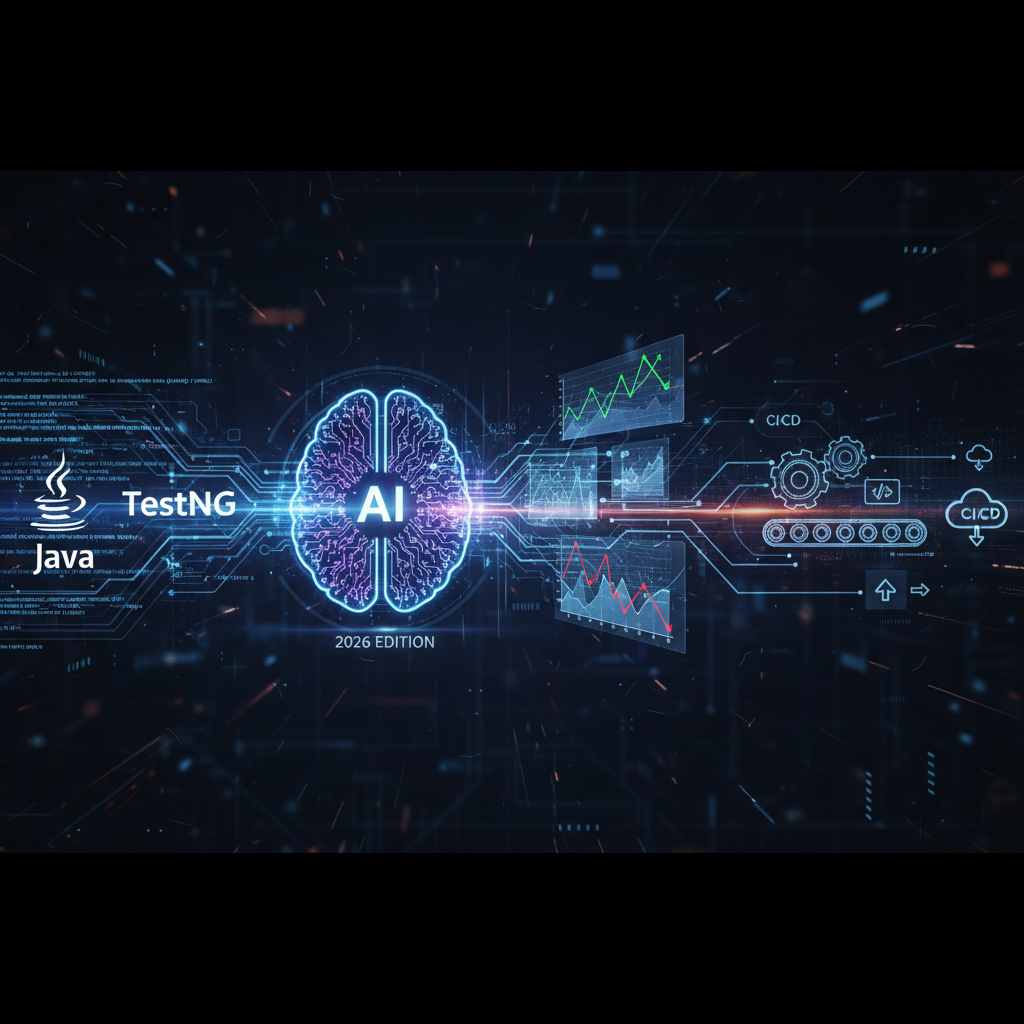
Leveraging AI for Predictive Failure Analysis in Java TestNG Frameworks with CI/CD Integration (2026 Edition)
Leveraging AI for Predictive Failure Analysis in Java TestNG Frameworks with CI/CD Integration (2026 Edition)
In the rapidly evolving landscape of software development, the quest for faster, more reliable releases is paramount. As we look to 2026, Artificial Intelligence (AI) is no longer a futuristic concept but a vital tool transforming every facet of the software development lifecycle, especially in quality assurance. This article delves into the cutting-edge application of AI for predictive failure analysis within Java TestNG frameworks, integrated seamlessly with CI/CD pipelines, offering a proactive approach to quality that was once unimaginable.
The Evolving Challenge of Test Automation
Modern applications are complex, distributed, and constantly changing. Traditional test automation, while essential, often reacts to failures rather than anticipating them. Test suites grow, execution times lengthen, and pinpointing the root cause of intermittent failures becomes a significant bottleneck. This is where AI steps in, offering a paradigm shift from reactive debugging to proactive risk mitigation.
Why Predictive Failure Analysis?
Predictive failure analysis (PFA) uses historical data and machine learning algorithms to forecast potential test failures before they even occur. Imagine a system that could warn you about a flaky test or a high-risk code change before it breaks your build. This capability significantly reduces debugging time, accelerates feedback loops, and ultimately enhances product quality and developer productivity.
AI in Action: Predictive Failure Analysis with Java TestNG
Integrating AI into your Java TestNG framework for PFA involves several key steps and technologies.
1. Data Collection and Feature Engineering
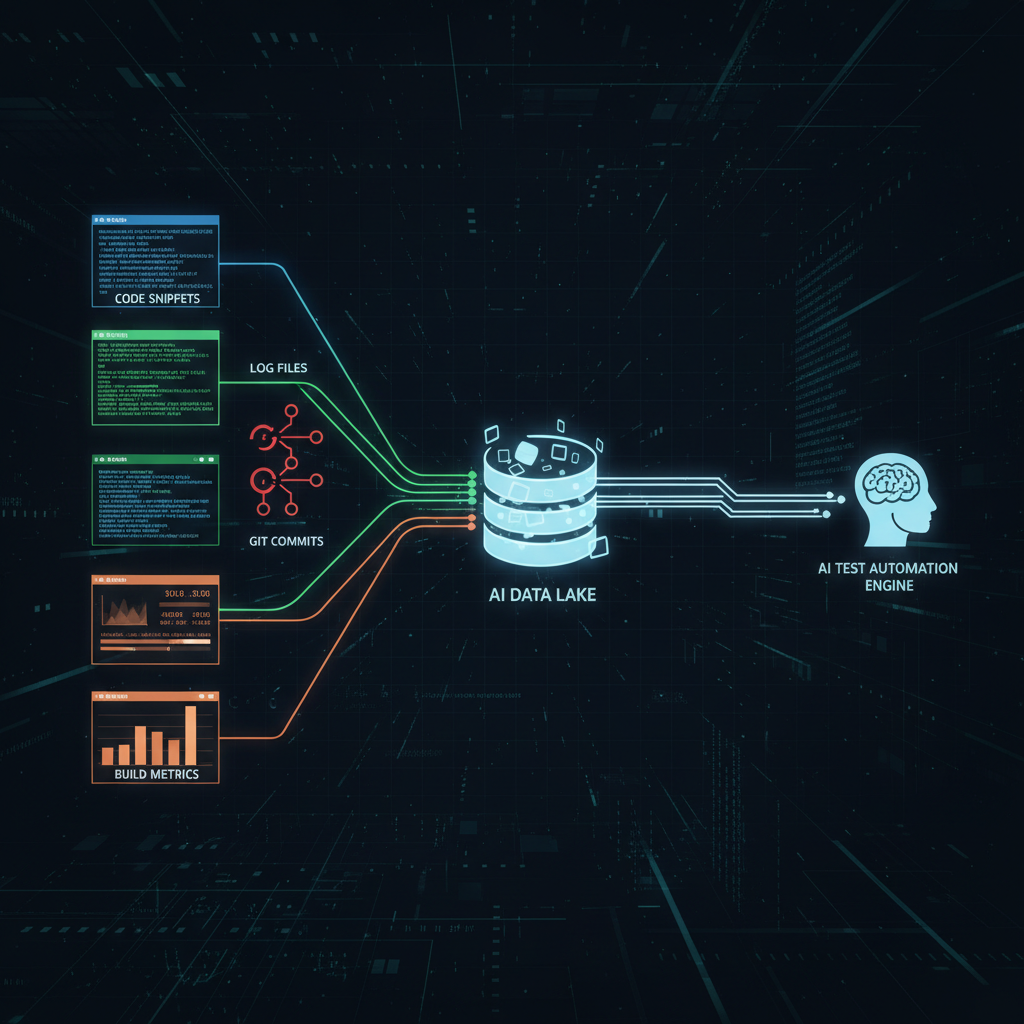
The foundation of any effective AI model is robust data. For PFA in TestNG, this includes:
- Test Execution Logs: Detailed logs of every test run (pass/fail status, execution time, error messages, stack traces).
- Code Changes: Git commit history, modified files, lines of code changed, authors.
- Build Metrics: Build duration, dependency changes, environment configurations.
- Historical Flakiness: Records of tests that pass inconsistently.
- Static Code Analysis Reports: Warnings, vulnerabilities, code complexity metrics.
These raw data points are then transformed into features that an AI model can understand. For instance, 'number of lines changed in a module' or 'frequency of a specific error message' can be powerful predictors.
2. Choosing the Right AI Models
Several machine learning models can be applied for PFA:
- Classification Models (e.g., Logistic Regression, Random Forests, Gradient Boosting): To predict whether a test or a build will pass or fail.
- Anomaly Detection Models (e.g., Isolation Forest, One-Class SVM): To identify unusual test behaviors that might indicate an impending failure.
- Time Series Models (e.g., ARIMA, LSTMs): To predict trends in test execution times or failure rates.
- Natural Language Processing (NLP): To analyze log messages and error descriptions for recurring patterns or semantic similarities that correlate with failures.
3. Integrating with TestNG and CI/CD
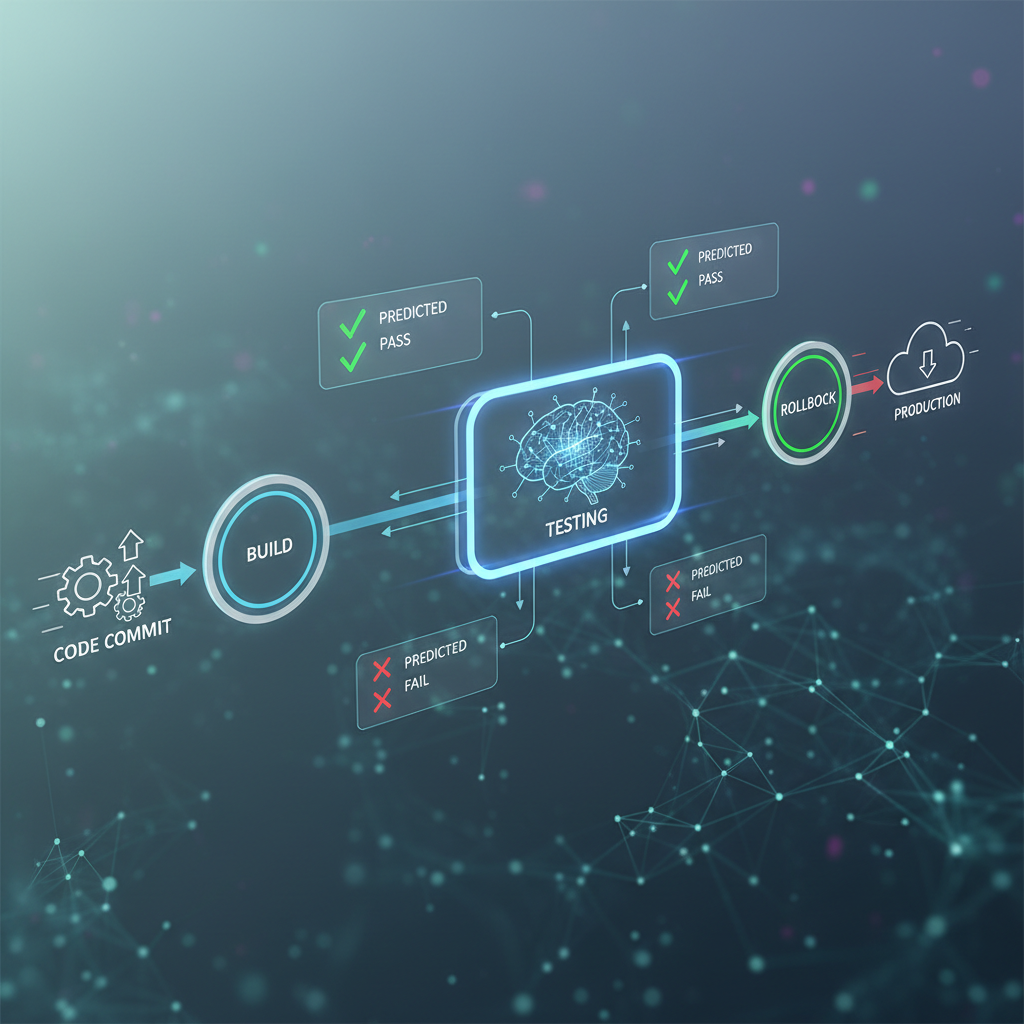
The real power of PFA comes from its seamless integration into your existing CI/CD pipeline.
- Automated Data Ingestion: Use CI/CD hooks (e.g., Jenkins, GitLab CI, GitHub Actions) to automatically collect test results, code changes, and build metrics after every run.
- Model Training and Retraining: Periodically retrain your AI models with new data to ensure their predictions remain accurate and adapt to evolving codebases and test suites.
- Predictive Dashboards: Develop dashboards that visualize the AI's predictions, highlighting high-risk tests or builds. This could include a 'failure probability score' for each test or a 'build health index'.
- Proactive Alerts: Configure alerts (e.g., Slack, email, JIRA tickets) for predicted failures, allowing teams to investigate before a critical build breaks.
- Smart Test Prioritization: AI can help prioritize which tests to run first based on their predicted failure probability or their impact on critical features, optimizing execution time.
Practical Implementation Steps
- Start Small: Begin by collecting data from a critical subset of your TestNG suite.
- Leverage Existing Tools: Integrate with logging frameworks (e.g., Log4j, SLF4J), test reporting tools (e.g., ExtentReports, Allure), and CI/CD platforms.
- Choose a Platform: Consider cloud AI services (AWS SageMaker, Google AI Platform, Azure Machine Learning) or open-source libraries (TensorFlow, PyTorch, Scikit-learn) for model development.
- Iterate and Refine: AI models are not 'set and forget'. Continuously monitor their performance, collect feedback, and retrain them.
The Benefits of AI-Driven PFA
- Reduced MTTR (Mean Time To Recovery): By predicting failures, teams can address issues faster.
- Improved Test Suite Efficiency: Focus efforts on high-risk areas and optimize test execution.
- Enhanced Developer Experience: Fewer broken builds mean less frustration and more time for feature development.
- Higher Software Quality: Proactive identification and resolution of issues lead to more stable releases.
- Cost Savings: Less time spent on debugging and re-running tests translates to significant operational savings.
AdvanseIT: Your Partner in Advanced Test Automation Training
Mastering these advanced techniques requires a solid foundation in test automation and a keen understanding of modern tools. At AdvanseIT, we empower professionals globally with the skills needed to excel in this evolving landscape. Our live, instructor-led Java Selenium training program is designed to equip QA engineers and developers with practical expertise.
Our comprehensive program, available online globally, includes:
- 60 Live Sessions: Intensive, interactive learning experience.
- 9 Weeks Duration: A structured curriculum to build robust skills.
- Two Flexible Plans: Choose between the 'Live Class' option (AUD $399) for real-time interaction or the 'Recording Only' plan (AUD $249) for self-paced learning.
Upskill with industry experts and take your test automation career to the next level. Learn more and enroll today at AdvanseIT Java Selenium Training.
The Road Ahead: 2026 and Beyond
By 2026, AI-driven predictive failure analysis will be a standard component of mature CI/CD pipelines. Organizations that embrace this technology will gain a significant competitive advantage, delivering higher quality software faster and more reliably. The integration of AI with Java TestNG frameworks represents a powerful leap forward in test automation, transforming quality assurance from a reactive gatekeeper to a proactive intelligence hub.
From web design and app development to cutting-edge AI solutions and strategic IT staffing, AdvanseIT is at the forefront of technological innovation. Our expertise helps businesses navigate complex challenges and achieve their digital objectives.
Ready to explore how AI can revolutionize your testing strategy? Contact AdvanseIT today to discuss your specific needs and discover tailored solutions. Visit us at https://advanseit.com.au/contact.
Related Images

Ready to transform your business with AI-first IT?
AdvanseIT delivers cost-effective web, app, AI, and staffing solutions from Brisbane.
Get a Free Consultation