

Leveraging AI-driven Test Data Management with Java and TestNG for Enhanced CI/CD Pipeline Efficiency in 2026
Leveraging AI-driven Test Data Management with Java and TestNG for Enhanced CI/CD Pipeline Efficiency in 2026
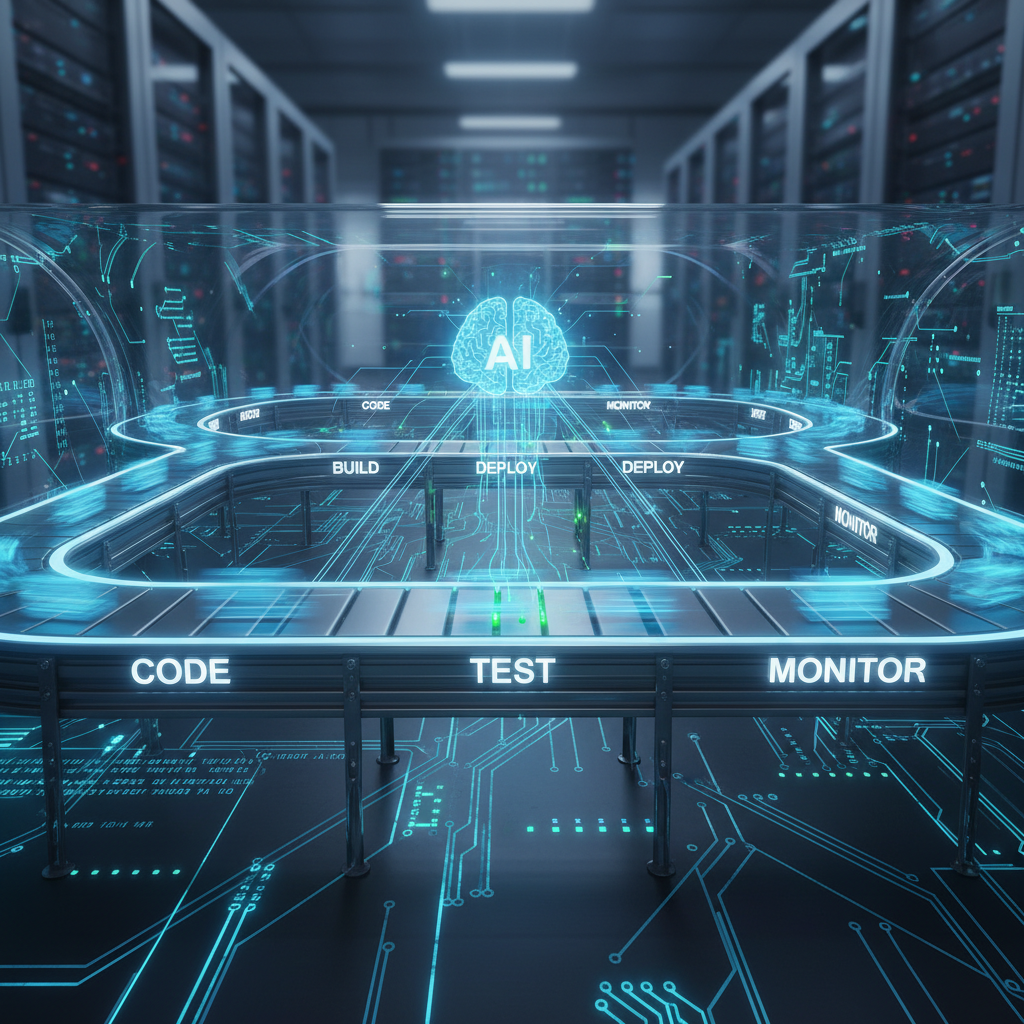
The landscape of software development is evolving at an unprecedented pace. With the relentless push for faster releases and higher quality, Continuous Integration/Continuous Delivery (CI/CD) pipelines have become the backbone of modern development. Yet, a persistent bottleneck often impedes their full potential: test data management (TDM). As we look towards 2026, the integration of Artificial Intelligence (AI) into TDM, particularly when orchestrated with robust frameworks like Java and TestNG, promises to unlock new levels of efficiency and reliability.
This article delves into the transformative power of AI-driven TDM, offering practical insights for QA engineers, test leads, and developers worldwide. We'll explore how AI can intelligently generate, manage, and provision test data, seamlessly integrating with Java-based automation and TestNG's powerful execution capabilities to supercharge your CI/CD pipelines.
The Evolving Challenge of Test Data Management
Traditional test data management often involves manual processes, static datasets, or complex scripts that are difficult to maintain. These methods lead to several critical issues:
- Data Scarcity: Lack of diverse, realistic data for comprehensive testing.
- Data Staleness: Outdated data that doesn't reflect production environments.
- Data Security: Challenges in anonymizing sensitive information for non-production use.
- Maintenance Overhead: Significant effort required to create and update test data.
- Bottlenecks: Slow test data provisioning delays CI/CD cycles.
These challenges become amplified in complex microservices architectures and high-velocity development environments. The demand for on-demand, high-quality, and secure test data is paramount for effective testing.
The AI Solution: Intelligent Test Data Generation and Management
AI, particularly machine learning (ML) and natural language processing (NLP), offers a sophisticated approach to overcome these TDM hurdles. By analyzing historical data, production patterns, and test requirements, AI can:
- Generate Realistic Data: Create synthetic data that mimics production data characteristics, including edge cases and complex relationships, without exposing sensitive information.
- Identify Data Gaps: Pinpoint areas where existing test data is insufficient, suggesting or generating missing scenarios.
- Automate Data Subsetting and Masking: Intelligently select relevant subsets of production data and apply masking/anonymization techniques to ensure compliance (e.g., GDPR, HIPAA).
- Optimize Data Provisioning: Dynamically provision test data on demand, reducing setup times and enabling parallel testing.
- Learn and Adapt: Continuously improve data generation and management strategies based on test outcomes and evolving application behavior.
Integrating AI-driven TDM with Java and TestNG
Java remains a dominant force in enterprise application development and test automation. TestNG, with its flexible test configurations, parallel execution, and reporting capabilities, is a natural fit for complex automation frameworks. Integrating AI-driven TDM into this ecosystem involves several key steps:
1. Data Source Integration and Analysis
AI models need access to various data sources – production databases (anonymized), existing test data, API specifications, and even user behavior logs. Java-based connectors can facilitate this integration, allowing AI algorithms to analyze patterns and understand data relationships.
2. AI-Powered Data Generation Services
Develop or integrate AI services (e.g., using Python libraries like Faker with ML enhancements, or specialized TDM tools with AI capabilities) that expose APIs. Your Java/TestNG framework can then call these services to request specific types and volumes of test data.
// Example: Java client calling an AI TDM service
public class TestDataGenerator {
    public static String generateUniqueEmail() {
        // Call AI TDM service API to get a unique, realistic email
        // e.g., using HTTP client, deserialize JSON response
        return "[email protected]";
    }

    public static Map<String, String> generateCustomerProfile(String country) {
        // Call AI TDM service to generate a full customer profile for a given country
        return new HashMap<>(); // Placeholder for actual data
    }
}
// Example: Java client calling an AI TDM service
public class TestDataGenerator {
    public static String generateUniqueEmail() {
        // Call AI TDM service API to get a unique, realistic email
        // e.g., using HTTP client, deserialize JSON response
        return "[email protected]";
    }

    public static Map<String, String> generateCustomerProfile(String country) {
        // Call AI TDM service to generate a full customer profile for a given country
        return new HashMap<>(); // Placeholder for actual data
    }
}
3. TestNG Data Providers and AI Integration
TestNG's @DataProvider annotation is ideal for supplying test data. Instead of hardcoding data or reading from static files, data providers can now invoke AI-driven services.
import org.testng.annotations.DataProvider;
import org.testng.annotations.Test;

public class UserRegistrationTests {

    @DataProvider(name = "aiGeneratedUsers")
    public Object[][] getAIGeneratedUsers() {
        // Call AI service to get a batch of diverse user data
        List<Map<String, String>> users = TestDataGenerator.generateDiverseUsers(10);
        Object[][] data = new Object[users.size()][1];
        for (int i = 0; i < users.size(); i++) {
            data[i][0] = users.get(i);
        }
        return data;
    }

    @Test(dataProvider = "aiGeneratedUsers")
    public void testUserRegistration(Map<String, String> userData) {
        System.out.println("Testing with user: " + userData.get("email"));
        // Your Selenium/API automation code using userData
    }
}
import org.testng.annotations.DataProvider;
import org.testng.annotations.Test;

public class UserRegistrationTests {

    @DataProvider(name = "aiGeneratedUsers")
    public Object[][] getAIGeneratedUsers() {
        // Call AI service to get a batch of diverse user data
        List<Map<String, String>> users = TestDataGenerator.generateDiverseUsers(10);
        Object[][] data = new Object[users.size()][1];
        for (int i = 0; i < users.size(); i++) {
            data[i][0] = users.get(i);
        }
        return data;
    }

    @Test(dataProvider = "aiGeneratedUsers")
    public void testUserRegistration(Map<String, String> userData) {
        System.out.println("Testing with user: " + userData.get("email"));
        // Your Selenium/API automation code using userData
    }
}
4. Dynamic Data Provisioning in CI/CD
Integrate these AI-driven data generation steps into your CI/CD pipeline. Before test execution, a pipeline stage can trigger the AI TDM service to provision the necessary data directly into the test environment or return it to the TestNG framework.
Best Practices for Implementation
- Start Small: Begin with a critical module or a specific data type to demonstrate value before scaling.
- Data Governance: Establish clear policies for data privacy, security, and retention, even with synthetic data.
- Version Control for Data Schemas: Treat your test data schemas as code, managing them in version control systems.
- Feedback Loops: Incorporate mechanisms for AI models to learn from test failures and successes, improving future data generation.
- Performance Monitoring: Monitor the performance of your AI TDM services to ensure they don't become a bottleneck.
- Collaboration: Foster close collaboration between development, QA, and data science teams.
The Benefits: A Glimpse into 2026
By 2026, organizations leveraging AI-driven TDM with Java and TestNG will experience:
- Faster Release Cycles: On-demand data reduces test setup times significantly.
- Higher Test Coverage: AI can generate diverse scenarios, including rare edge cases, leading to more robust testing.
- Reduced Costs: Automation of TDM minimizes manual effort and infrastructure costs.
- Enhanced Security & Compliance: Automated data masking ensures sensitive information is never exposed.
- Improved Test Reliability: Consistent, high-quality data leads to more stable and trustworthy test results.
Upskill with AdvanseIT: Java Selenium & AI Test Automation Training
To truly harness the power of AI in test automation, a strong foundation in core automation technologies is essential. AdvanseIT, a leader in IT training and solutions, offers a comprehensive Java Selenium & AI Test Automation Training program designed for aspiring and experienced QA professionals.
Our live, instructor-led training is available online globally, ensuring you can learn from anywhere in the world. The program features:
- 60 Live Sessions: In-depth, interactive learning.
- 9 Weeks: A structured curriculum to build expertise.
- Online Globally: Accessible from any time zone.
- Two Plans:
- Live Class: AUD $399
- Recording Only: AUD $249
This program equips you with the skills to build robust, scalable automation frameworks using Java and Selenium, and prepares you for integrating advanced concepts like AI-driven test data management. Elevate your career and become an automation expert with AdvanseIT Java Selenium Training.
Conclusion
The future of CI/CD pipeline efficiency hinges on intelligent automation, and AI-driven test data management is a cornerstone of this evolution. By strategically integrating AI with established and powerful tools like Java and TestNG, organizations can overcome traditional TDM challenges, accelerate their release cycles, and deliver higher-quality software with greater confidence. The journey to 2026 is one of innovation, and mastering these technologies will be key to staying ahead in the competitive software landscape.
AdvanseIT specializes in empowering businesses with cutting-edge solutions, from web design and app development to AI integration, comprehensive testing, and IT staffing. Our expertise helps organizations globally navigate the complexities of modern technology. To learn more about how we can help your team implement advanced testing strategies or other IT solutions, visit us at https://advanseit.com.au/contact.
Related Images


Ready to transform your business with AI-first IT?
AdvanseIT delivers cost-effective web, app, AI, and staffing solutions from Brisbane.
Get a Free Consultation